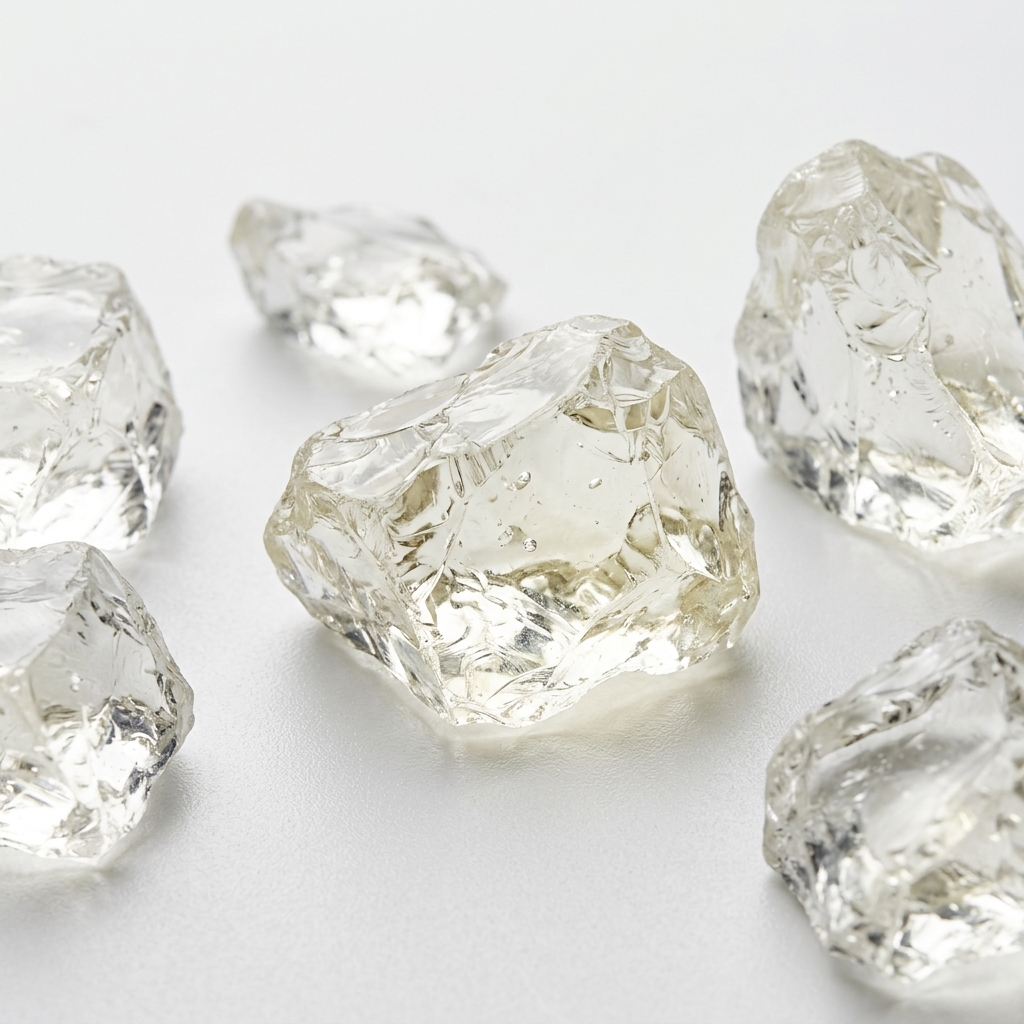
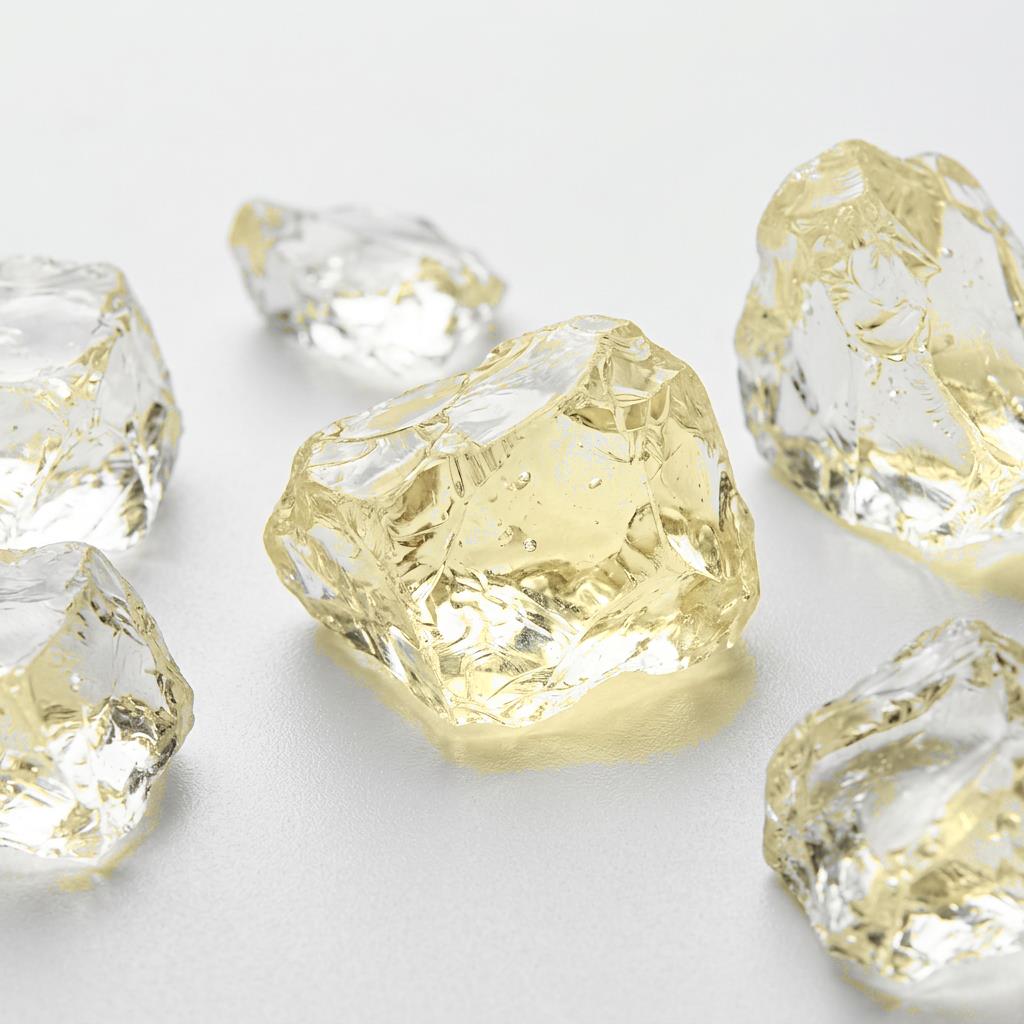
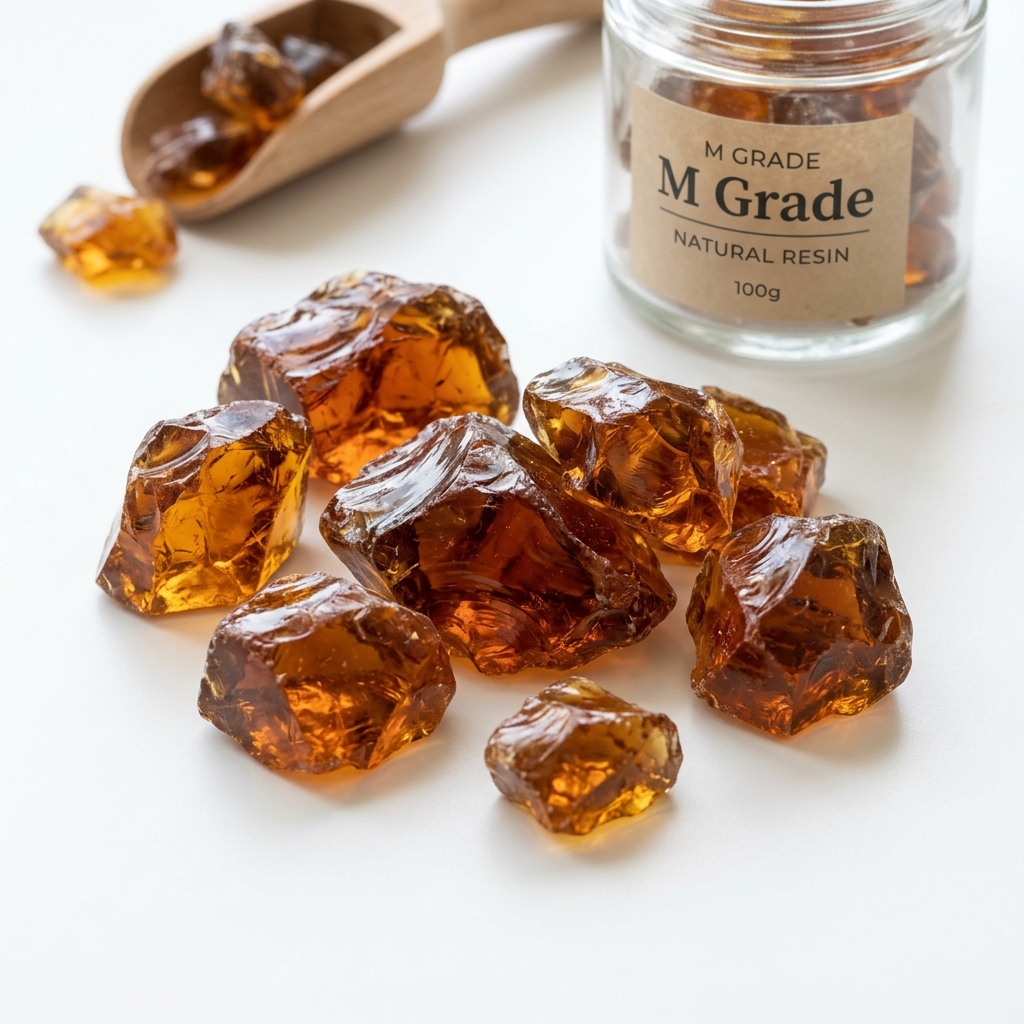
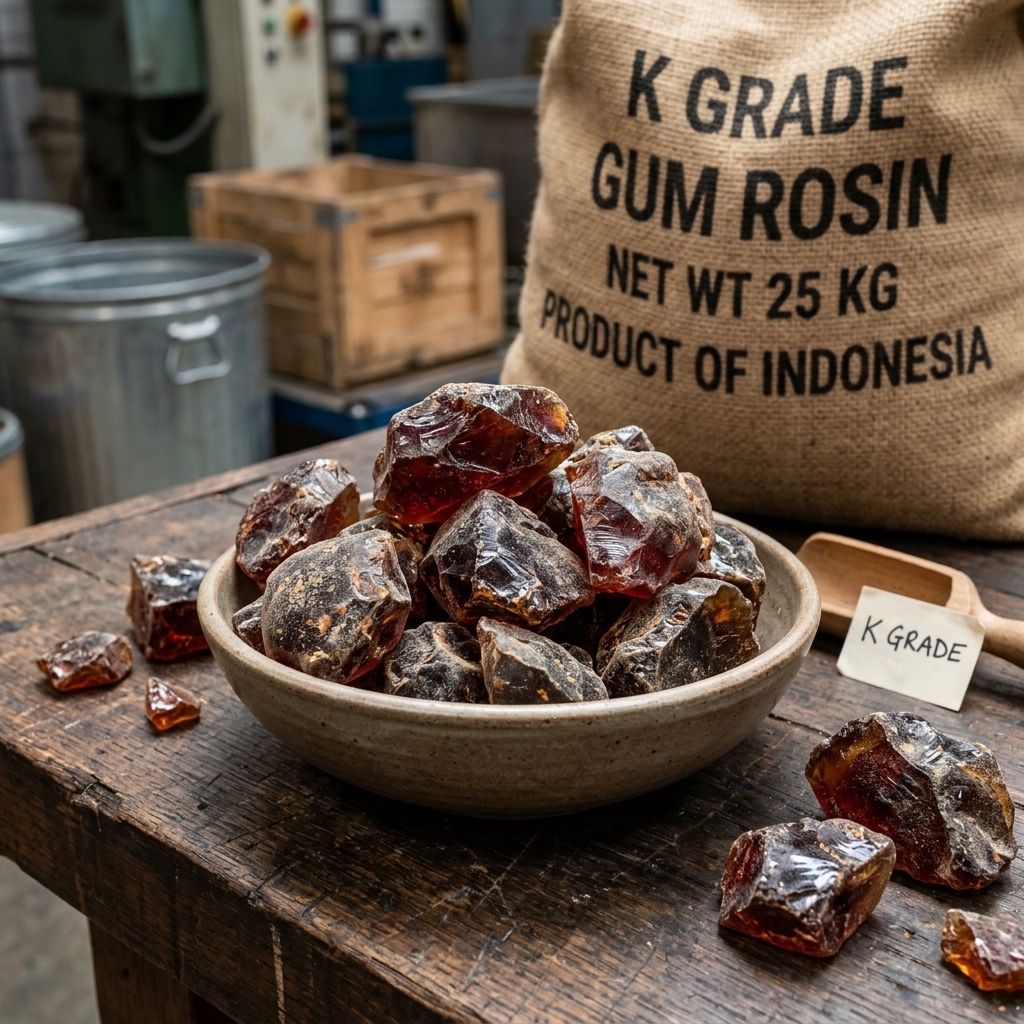
Gum Rosin is a natural solid resin obtained from the oleoresin of living pine trees. After collection, the oleoresin undergoes steam distillation, separating turpentine oil from the solid resin, resulting in refined Gum Rosin.
Known for its exceptional tack, excellent compatibility with numerous polymers and superior film-forming characteristics, Gum Rosin has become one of the world's most important renewable industrial raw materials.
Because it is naturally derived, Gum Rosin is increasingly preferred in applications seeking sustainable alternatives to petroleum-based chemicals.
Today, Gum Rosin is extensively used across adhesives, coatings, printing inks, rubber, paper, electronics, road marking paints and specialty chemical industries.
| Property | Benefit to Manufacturers |
|---|---|
| Natural Pine Resin | Renewable and sustainable raw material |
| Excellent Tack | Improves adhesive performance significantly |
| Outstanding Compatibility | Blends well with numerous polymers and elastomers |
| Film Forming | Enhances coatings and inks finish quality |
| High Gloss | Improves finished appearance of coatings |
| Cost Effective | Delivers high performance at competitive cost |
| Reactive Chemistry | Easily modified into specialty resins |
The exceptional performance of Gum Rosin originates from its unique chemical composition. Gum Rosin primarily consists of resin acids, with abietic acid being the major constituent, accompanied by related diterpene acids such as dehydroabietic acid and levopimaric acid.
These naturally occurring molecules contain reactive carboxylic acid groups, making Gum Rosin highly adaptable for industrial modification. This reactive chemistry allows Gum Rosin to be transformed into a variety of high-performance derivatives:
These derivatives offer enhanced oxidation stability, improved colour retention, greater thermal resistance and broader compatibility across modern industrial formulations.
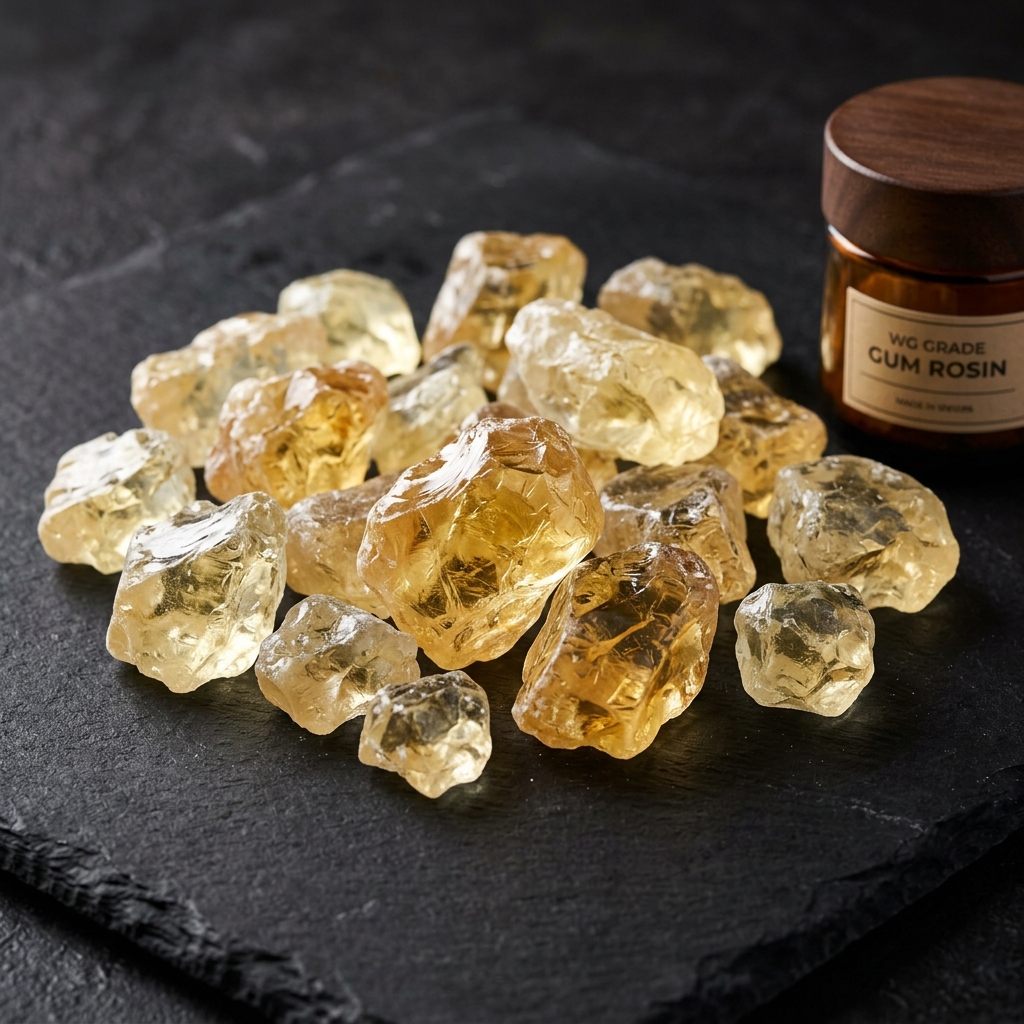
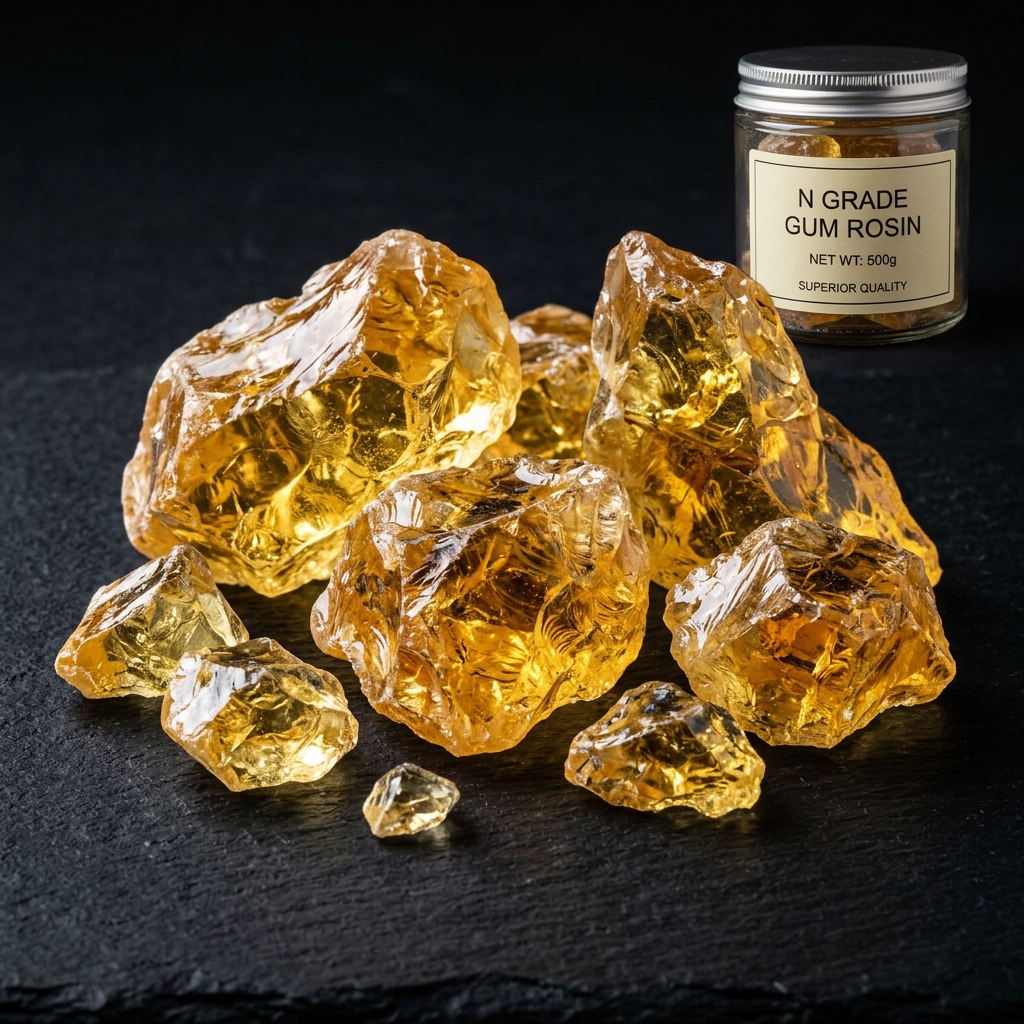
Gum Rosin is classified into distinct commercial grades based on color, transparency, and purity, ranging from pale water-white to dark amber. Doshi Chemstar supplies all major global grades tailored for specific industrial applications:
Doshi Chemstar maintains direct sourcing partnerships across 6 major global pine-resin producing origins to ensure uninterrupted supply continuity, competitive pricing, and flexible grade options for Indian manufacturers:
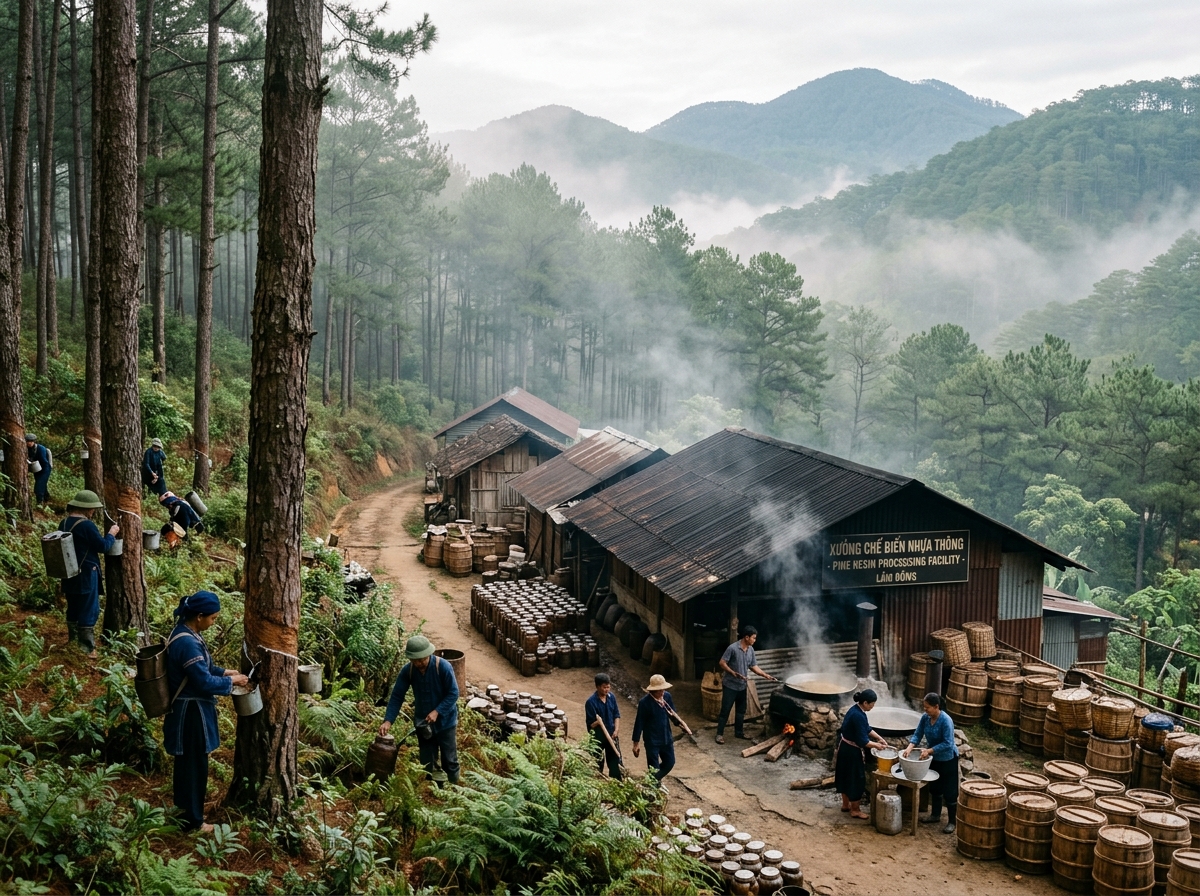
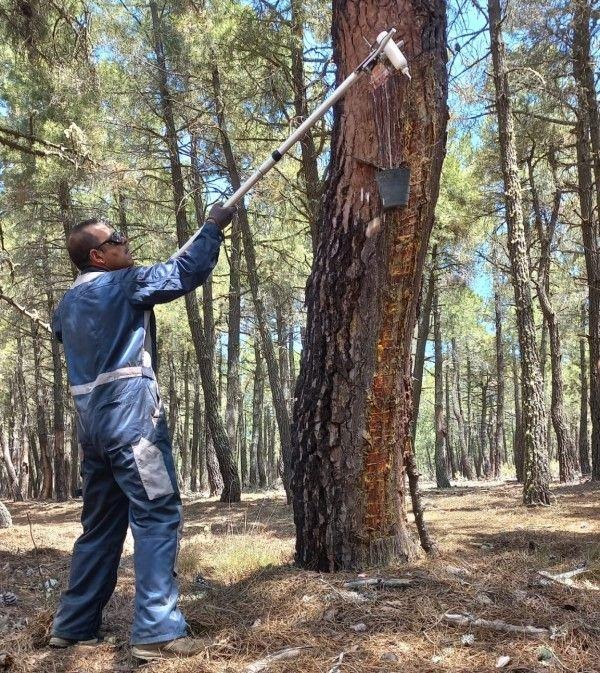
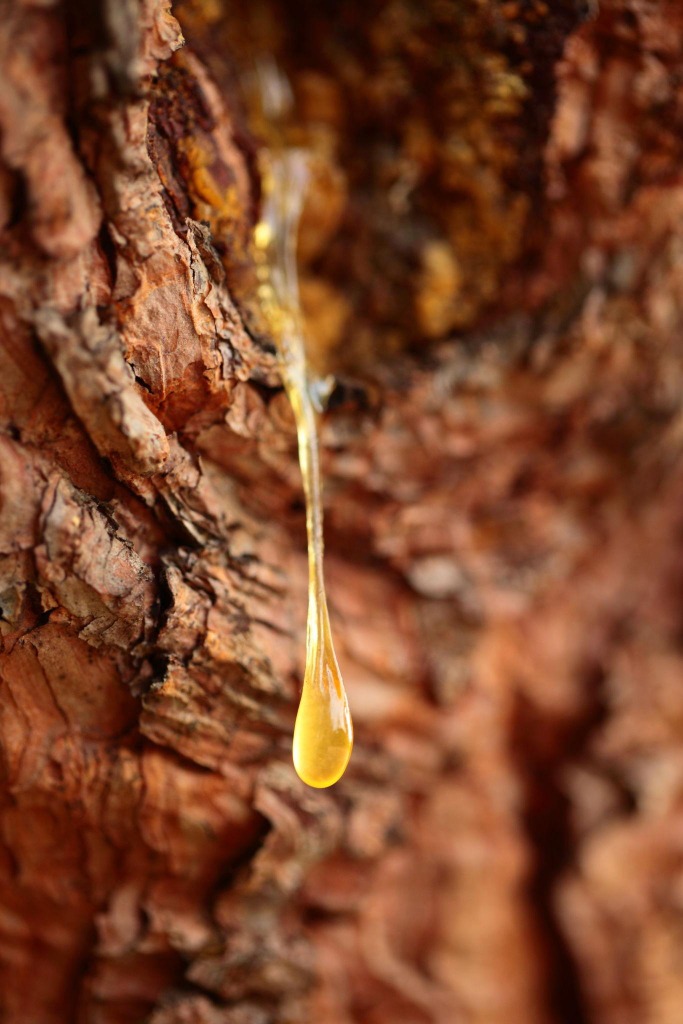
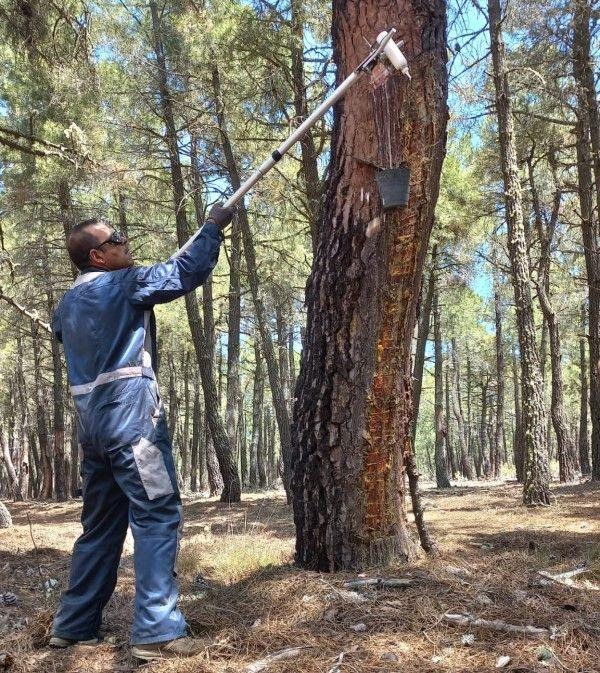
Gum Rosin originates from a meticulous resin tapping process practiced across pine forests in China, Indonesia and Vietnam. Skilled workers make precise cuts in the bark of living pine trees, allowing the golden oleoresin to flow freely and be collected before distillation.
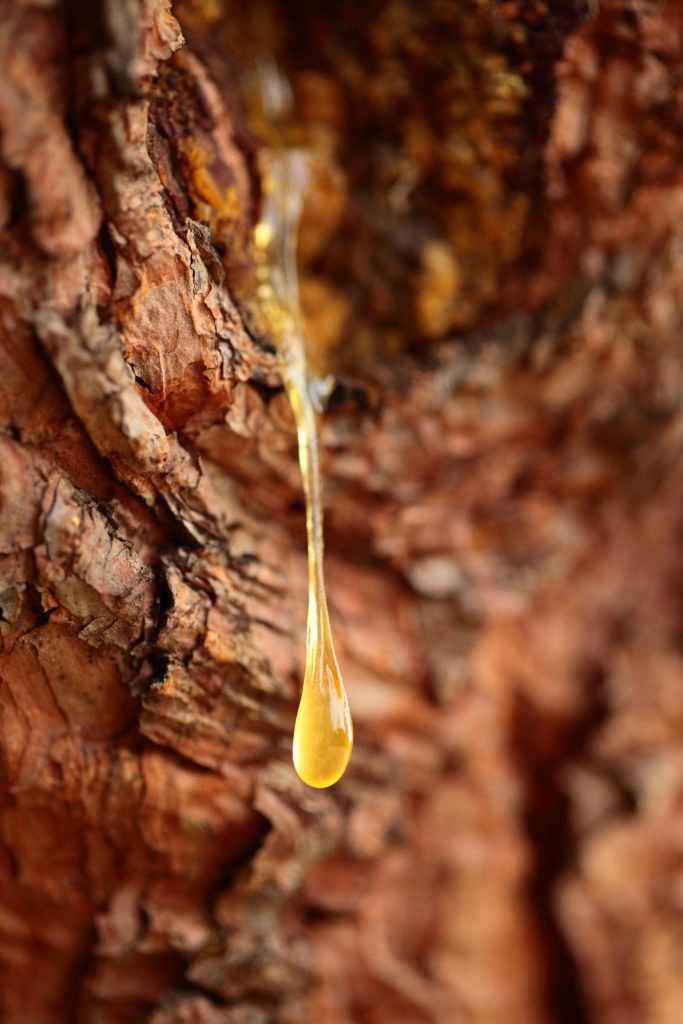
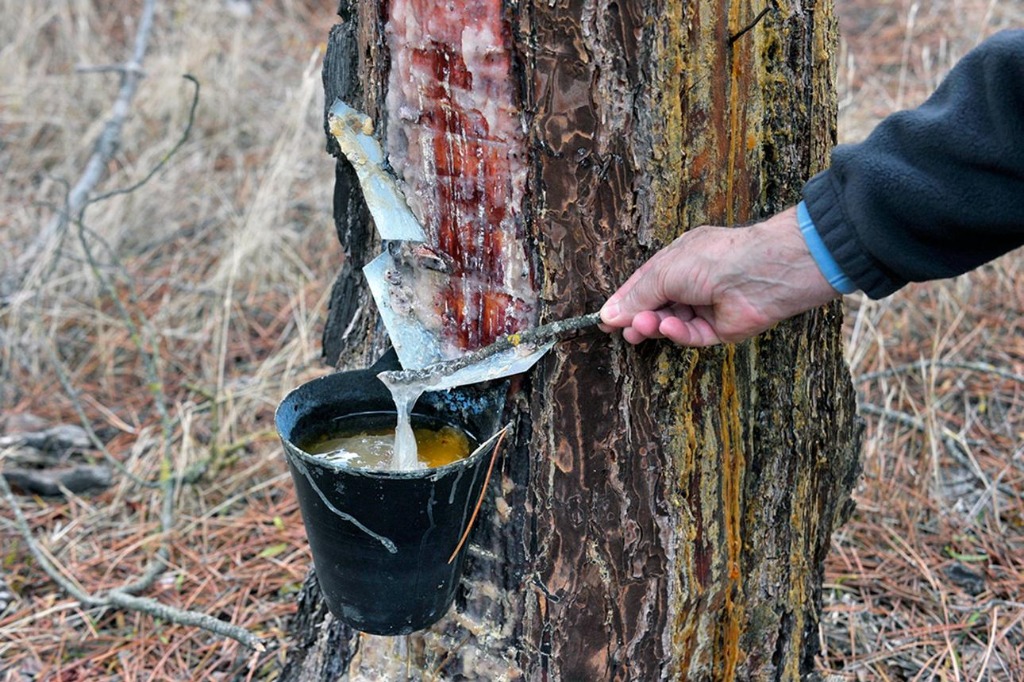
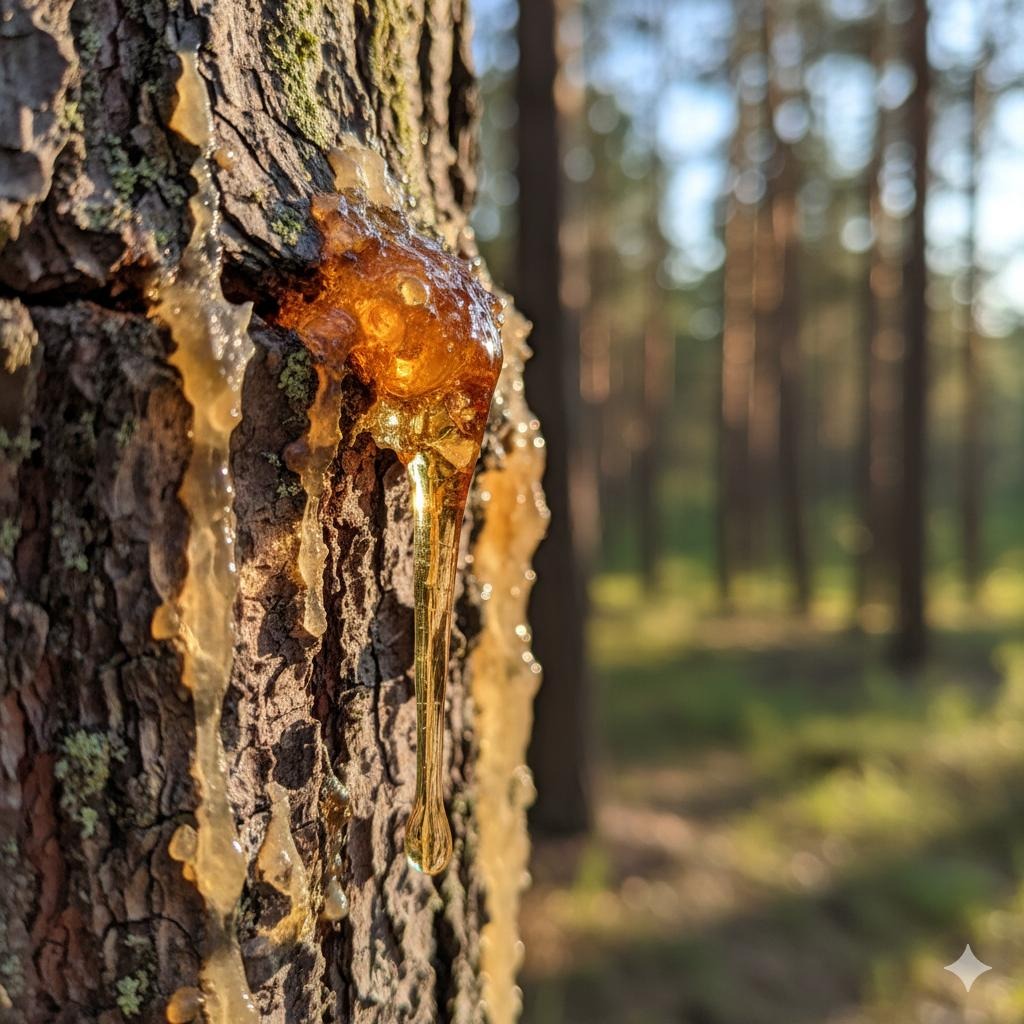
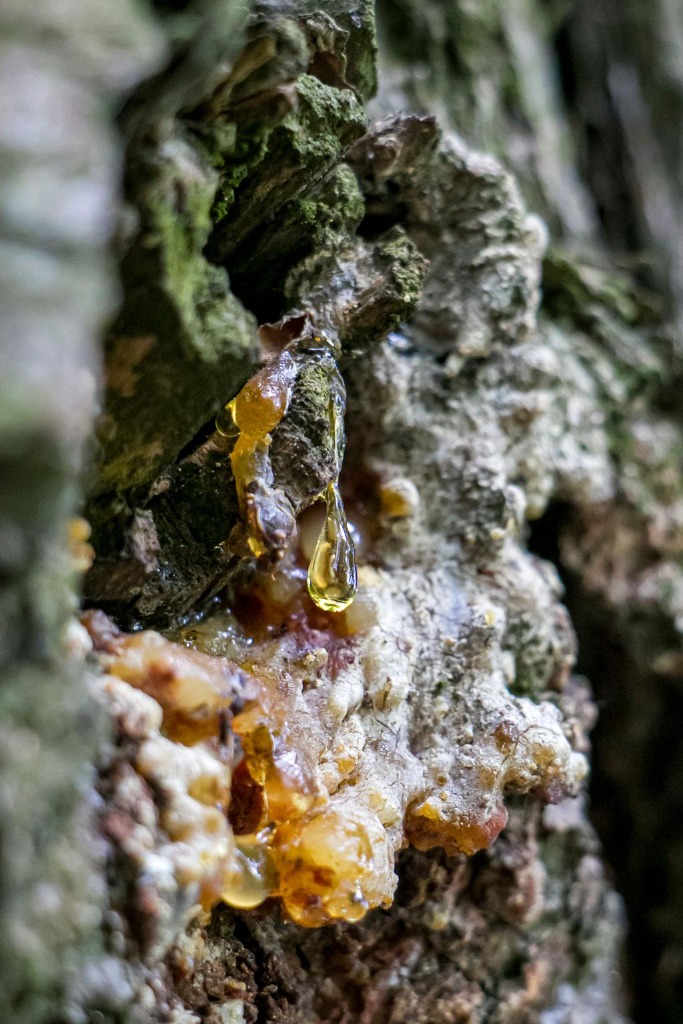
Each drop of oleoresin is nature’s gift — the raw material for one of the world’s most versatile industrial resins.
Living pine trees are carefully tapped to collect oleoresin without damaging the tree. The collected resin is then subjected to steam distillation, where valuable turpentine oil is separated. The remaining purified resin solidifies into Gum Rosin before undergoing grading and packaging.
Pine Tree
Resin Tapping
Oleoresin Collection
Steam Distillation
Turpentine Recovery
Grading & Inspection
Packaging
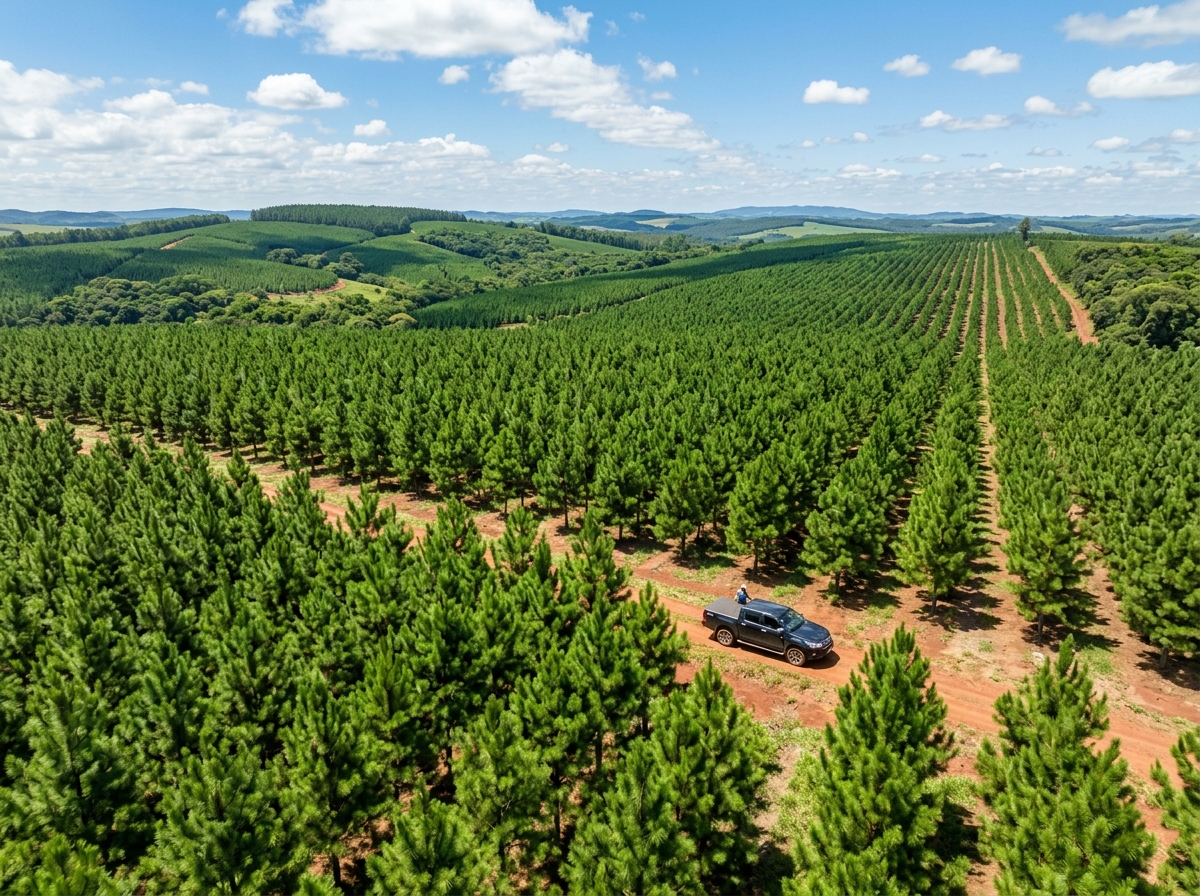
This renewable production process allows pine trees to continue producing resin over many years, making Gum Rosin one of the world’s most sustainable industrial raw materials.
The adhesive industry values Gum Rosin because of its exceptional tackifying properties and compatibility with a wide range of polymers. As demand continues to grow for packaging, hygiene products, e-commerce, woodworking and automotive applications, Gum Rosin remains one of the most important natural ingredients in modern adhesive formulations.
Its ability to enhance bonding strength while supporting renewable product formulations makes it increasingly attractive in a sustainability-conscious market.
| Parameter | Typical Specification |
|---|---|
| Appearance | Transparent Solid |
| Colour | WG / WW / X Grades |
| Softening Point | As per Grade |
| Acid Value | As per Grade |
| Ash Content | Low |
| Packaging | Metal drums of 200 to 250 kgs |
| Shelf Life | 24 Months (Recommended Storage) |
Detailed Technical Data Sheets (TDS) are available upon request.
Store Gum Rosin in a cool, dry and well-ventilated environment away from direct sunlight, excessive heat and moisture. Proper storage helps preserve colour, oxidation stability and product performance throughout its shelf life.
Unlike petrochemical products, Gum Rosin prices are influenced by a combination of natural, economic and geopolitical factors. Key price drivers include:
Understanding these factors enables manufacturers to plan procurement more effectively, reduce supply risks and optimise inventory. At Doshi Chemstar, we continuously monitor international markets to help our customers make informed sourcing decisions rather than reactive purchases.
Plan purchases before peak tapping season ends to reduce supply risk. Gum Rosin availability and pricing can tighten significantly during off-season periods. Early procurement and strategic inventory planning can protect your production schedule against market volatility.
China is the world's largest producer and exporter of Gum Rosin, making developments in Chinese production, labour availability and export policies key indicators for global pricing. Seasonal resin tapping periods can also influence availability and international market trends.